Charlie Chaplin’s Silent-Film Craft Beyond the Bowler Hat
Charlie Chaplin’s visual comedy combines silhouette, props, timing and feeling. Explore The Kid and Modern Times while looking beyond the famous hat and cane.
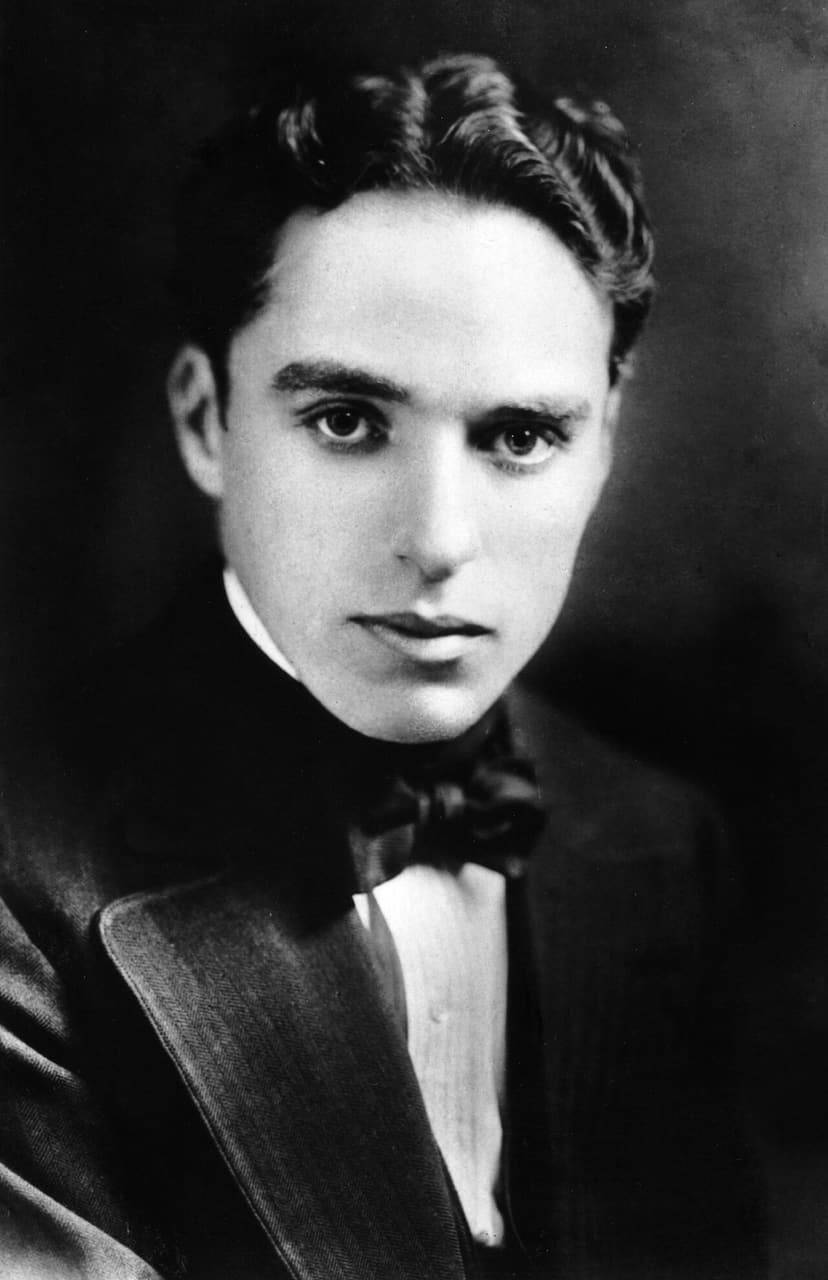
Charlie Chaplin's bowler hat and cane can identify him before a film has begun. That instant recognition is useful, but it can also hide the craft behind the image. A familiar silhouette becomes meaningful through movement, objects, timing and the relationship between the character and the surrounding world. Watching those elements reveals why a scene can remain clear and affecting even when spoken dialogue is not carrying the story.
The silhouette is a starting point
A costume establishes an outline that the audience can recognize quickly. Yet recognition alone does not create a comic sequence. The character must want something, encounter a situation and respond in a way the viewer can follow. The hat and cane help establish a figure; the action gives the figure a life within the frame.
When revisiting a scene, ask what the character is trying to accomplish. A simple objective can organize a complicated series of obstacles. The viewer may understand the problem before the character does, creating anticipation. The visual clarity is part of the work, not something that happens automatically because the performer is famous.
Objects can change their dramatic job
A prop may begin as an ordinary tool and become an obstacle, disguise or improvised solution. The audience needs enough information to recognize the change. A small action can therefore create a large effect when the object's original purpose has been clearly established.
Try watching one sequence with attention to the objects rather than the face. Where are they placed? Who notices them? What changes hands? These questions reveal how comic information is arranged. The scene is not simply a series of falls or gestures; it is a sequence in which the viewer's understanding keeps developing.
The Kid connects comedy with a relationship
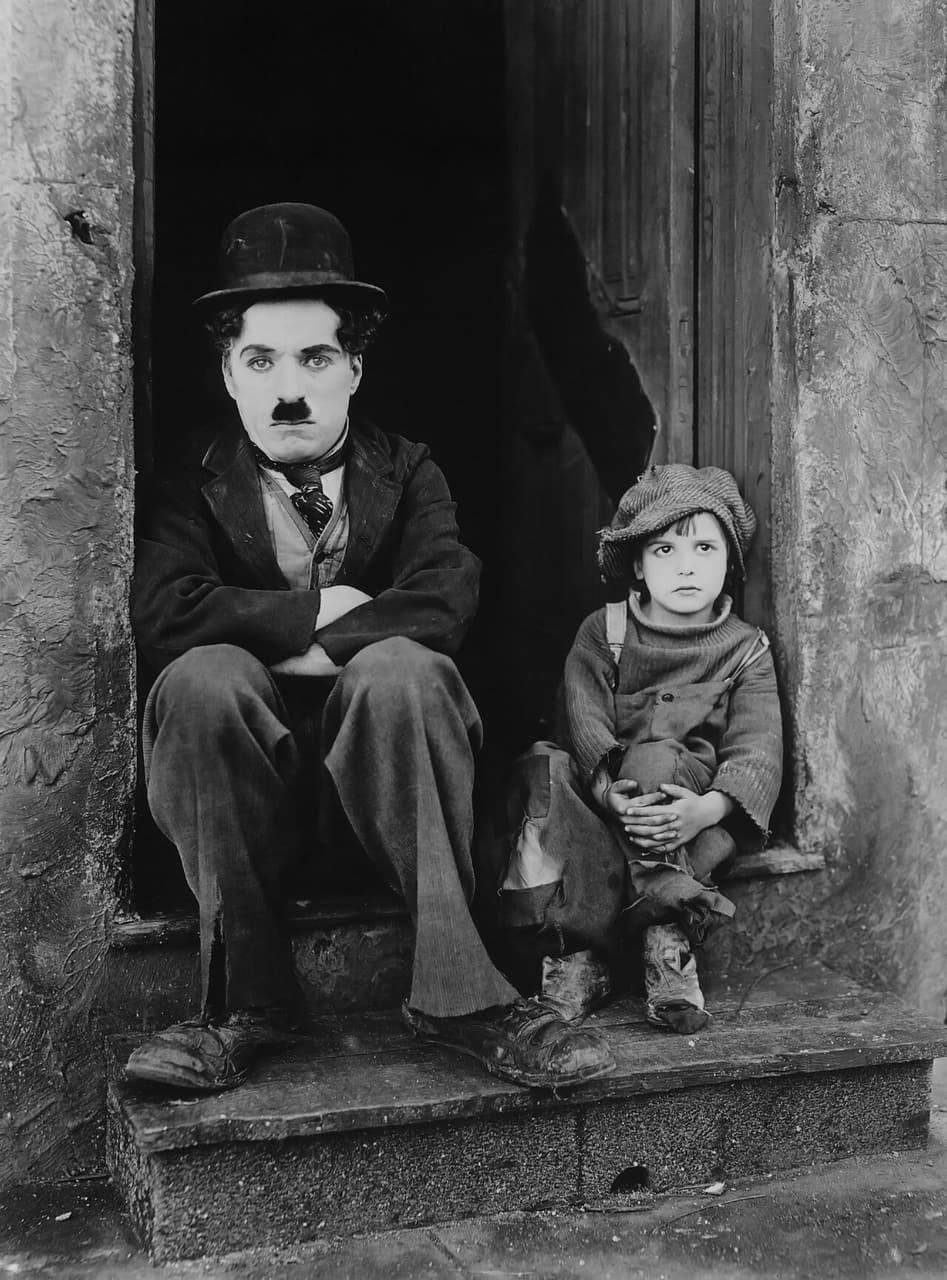
Chaplin's official film record dates The Kid to 1921 and identifies Jackie Coogan among its principal performers. Its account describes the Tramp raising a child he finds abandoned. That relationship gives ordinary action an emotional context: practical problems matter because the audience understands a bond between the characters.
The film is therefore a useful example of why sentiment and comedy need not be separate boxes. A gesture can be funny because of the situation and affecting because of the relationship. Rather than deciding in advance whether the work is slapstick or emotional drama, notice how the scene allows those responses to coexist.
Timing includes what the audience knows
A pause can give the viewer time to understand a setup. An interruption can arrive just as a solution seems possible. A repeated action can establish an expectation that a later variation changes. Timing is therefore more than speed; it is the organization of recognition and surprise.
You do not need to count frames to appreciate that organization. Ask when the problem becomes clear and when you anticipate the next consequence. A sequence that appears effortless may rely on carefully arranged information. The audience's laughter can arrive quickly because the preparation has already made the situation readable.
Modern Times complicates the label silent
Modern Times appeared in 1936, after talking pictures were established. The official Chaplin archive explains that the film uses sound effects, selected recorded voices and music rather than functioning as an ordinary dialogue-driven talkie. Calling it simply silent can therefore obscure an important part of its design.
The distinction helps a viewer listen as well as look. Where does a voice appear, and where does physical action carry the scene? The film's use of sound is a choice within its historical moment, not evidence that the technology of recorded dialogue was unavailable. Media history becomes more interesting when the available alternatives are visible.
The song keeps movement and sound connected
The official account of the restaurant song explains how the character loses his written words and performs invented language. No lyrics need to be reproduced to appreciate the device. The scene makes the difficulty part of the performance, while gesture and sound continue to communicate without an ordinary translatable text.
This is a useful place to notice the relationship between a physical setup and a vocal result. The sound does not arrive as an unrelated addition. It grows out of the situation the audience has watched develop. The comic logic connects the stages, allowing the scene to remain intelligible through more than one channel.
A familiar image can lead to a different viewing habit
Instead of watching only for the next famous moment, follow entrances, exits and the geography of the scene. Notice how other performers contribute. A leading figure needs reactions, obstacles and relationships around him. Credits and reliable film records can help identify that wider work.
Comparing Chaplin with Buster Keaton offers another way to sharpen attention, provided the comparison does not become a contest requiring one winner. Both bodies of work reward questions about space, objects and audience knowledge. Their differences become more meaningful after you have watched specific scenes rather than memorized a pair of reputations.
Chaplin's recognizable outline is a doorway into the craft. Follow the objective, notice the objects and attend to how information reaches the viewer. The hat and cane remain familiar, while the performance around them becomes more precise, more collaborative and more rewarding to revisit.