Coral Reefs Explained: The Animals Behind the Architecture
Coral reefs are built through living animal colonies and calcium-carbonate structures. Explore polyps, algae partnerships, bleaching and how to observe reefs without damaging them.
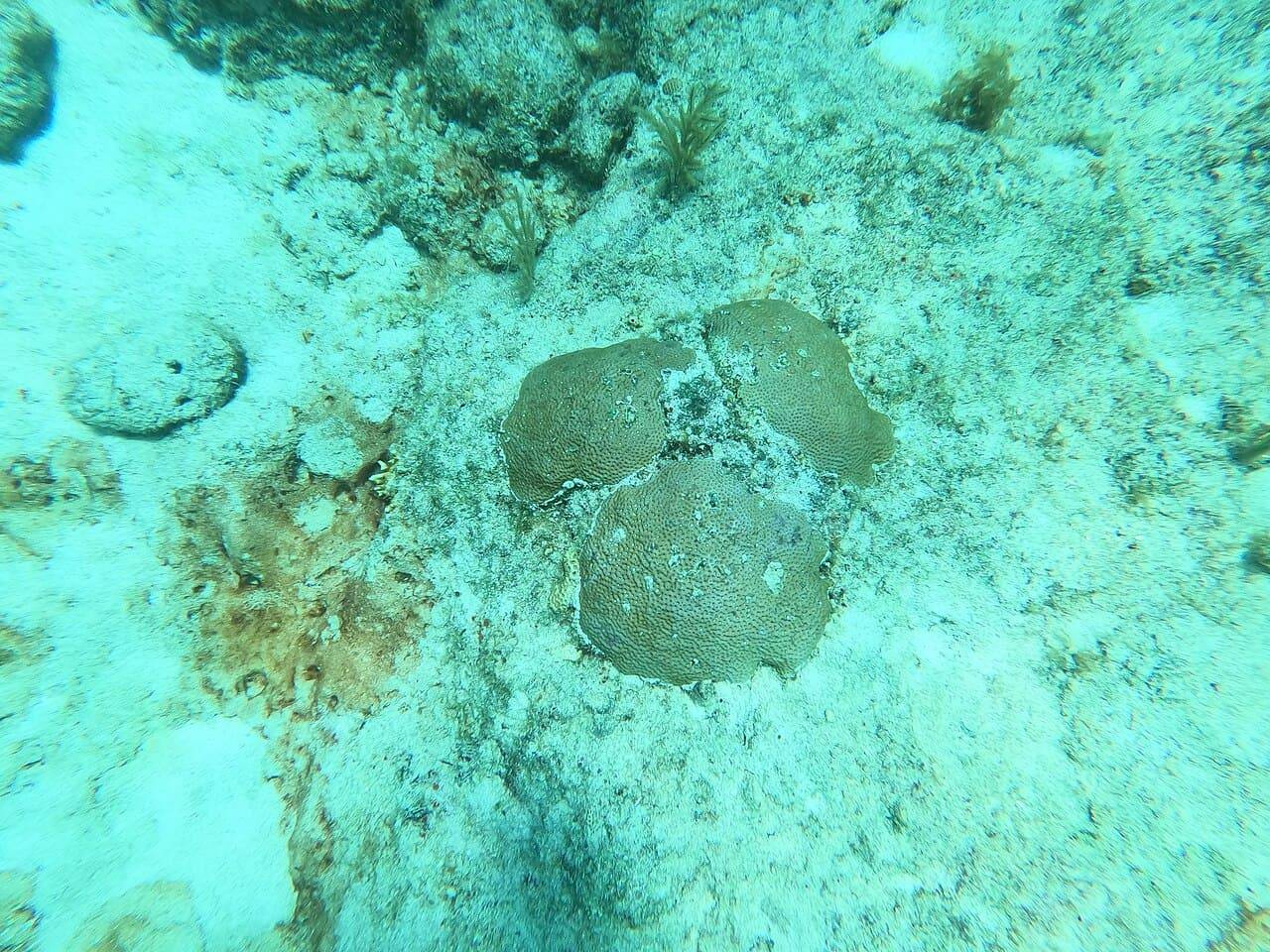
A coral reef can look like an underwater garden or a landscape made of patterned stone. Both impressions miss something essential: the living builders are animals. Tiny coral polyps contribute to structures that can become much larger than an individual organism. Understanding the relationship between the animals, their skeletons and their surroundings turns a beautiful reef photograph into a more revealing view of a living system.
A coral polyp is an animal
NOAA describes coral polyps as animals with a mouth and tentacles used in feeding. Many familiar corals consist of colonies containing numerous polyps, although not all corals are colonial. The individual animal may be difficult to distinguish in a wide photograph, where the colony's overall form dominates attention.
That difference in scale explains the common mistake. People recognize branches, mounds or plates and classify the whole shape as a plant or rock. Looking closer reveals that the visible structure and the living tissue are connected but not the same thing. A colony's form is an invitation to ask how it is made.
Stony corals build a mineral framework
Reef-building stony corals produce calcium-carbonate skeletons. Over time, the activity of colonies and the accumulation of skeletal material contribute to the reef's structure. The living surface and the material beneath it can therefore represent very different stages of the system's history.
Think about a building whose active occupants also help produce its fabric, while recognizing that the comparison is only an aid. A reef is not a human construction project with a plan and foreman. Its architecture emerges through biological growth and physical processes operating together over time.
The algae partnership helps explain the color and energy
Many shallow-water reef-building corals contain symbiotic algae within their tissues. NOAA explains that the algae photosynthesize and provide products useful to the coral, while receiving a protected environment and access to resources. The partnership is central to understanding many familiar tropical reefs.
Do not extend the arrangement carelessly to every coral in every environment. Coral diversity includes forms and settings that differ from the standard tropical reef illustration. A precise explanation identifies the organisms and conditions being discussed rather than presenting one relationship as an exception-free rule across the entire group.
Bleaching is a stressed condition, not a synonym for immediate death
Under stress, corals can lose their symbiotic algae and appear white, exposing the pale skeleton through the tissue. NOAA distinguishes bleaching from immediate death: a bleached coral may survive, but it is under stress and can die if unfavorable conditions persist. That distinction matters when reading images and reports.
A white appearance alone should not prompt a confident diagnosis from an unfamiliar photograph. Species, lighting and context matter, and monitoring uses appropriate methods. A reliable account will explain what was observed, where and when. An image can communicate urgency without being asked to establish every cause and outcome by itself.
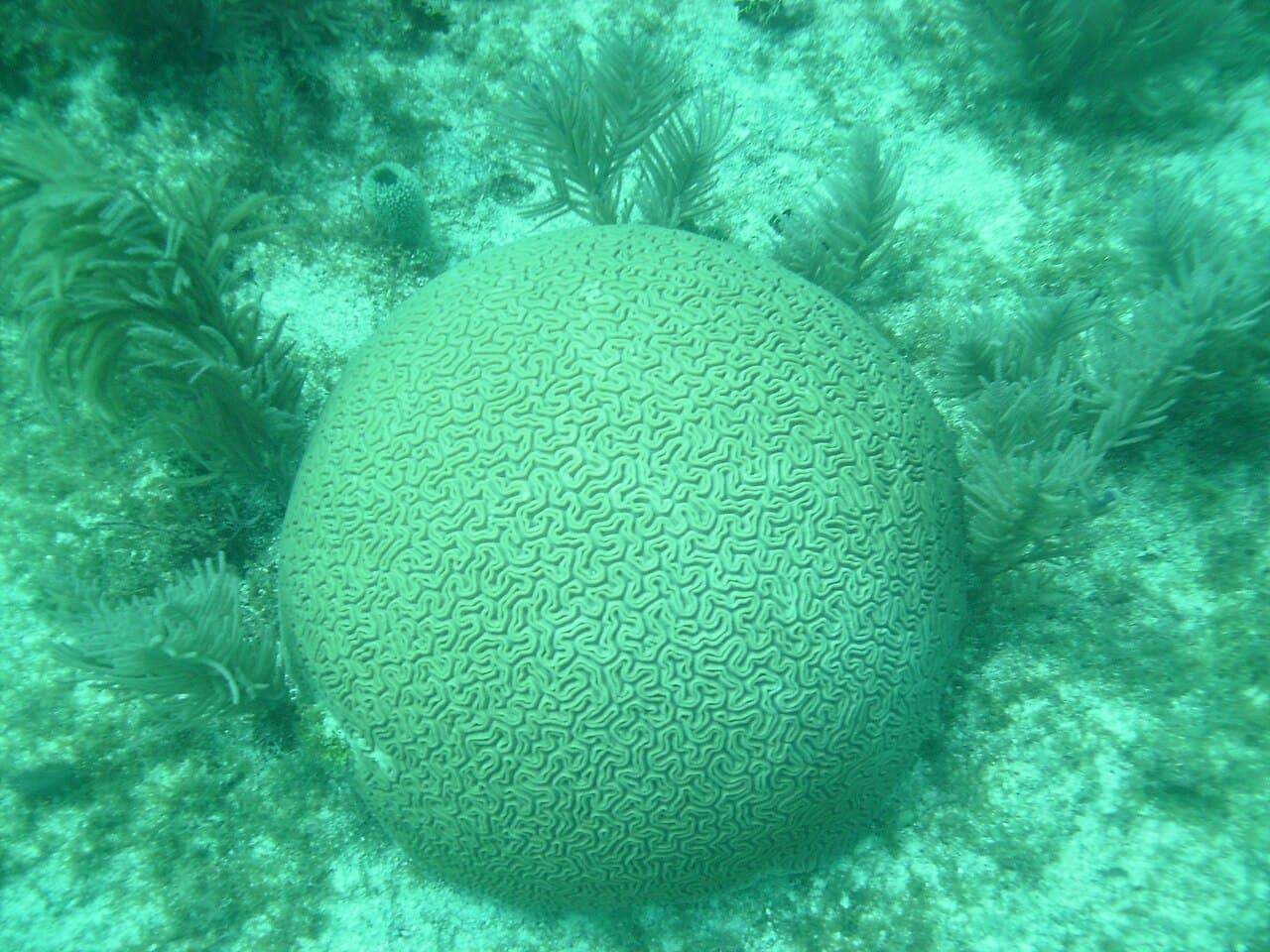
The reef is more than the coral colony
A reef supports a wider community of organisms that use its surfaces, spaces and resources. The three-dimensional structure creates a range of conditions rather than one uniform habitat. Looking only at the largest fish or brightest coral can hide much of that complexity.
On a suitable guided visit, notice the variety of spaces and the different scales of life using them. Remain within your training and the site's rules. A curious observer does not need to touch the reef, lift an object or pursue an animal to appreciate how the habitat is arranged.
A visitor's position matters
If snorkeling or diving, follow qualified instruction and local requirements, maintain appropriate control and avoid contact with coral. Do not stand on the reef or use it as a convenient support for a photograph. Equipment can cause contact too, so a camera is not the only object requiring attention.
Choose an activity suited to your ability and the conditions. Someone who cannot comfortably control position should seek an appropriate alternative or instruction rather than learning by repeatedly landing on the habitat. A well-managed view from a permitted setting is more valuable than a close image obtained through damage.
Read restoration and monitoring claims carefully
Projects may report fragments grown, corals transplanted, survival or changes in reef condition. Those are different measures. An initial activity count is not automatically a long-term ecological outcome. Look for the monitoring period and what the project actually measured before comparing it with another effort.
The same care applies to an apparently recovered photograph. A visually attractive area does not establish the condition of an entire reef system. Scientific assessment needs defined locations and methods. The useful response is to connect the image with the evidence, not dismiss it or ask it to prove more than it can.
Keep the living system in view
Coral reefs and mangrove forests offer different examples of habitat whose structure is closely tied to living organisms. Both become easier to understand when the visible form is connected to growth, environmental conditions and the other species using it. A beautiful outline is only the first layer of the explanation.
The animals behind the architecture are the starting point. Polyps, mineral skeletons and algae partnerships help explain how familiar reef forms develop, while bleaching reveals the importance of environmental conditions. Look closely, read the context and observe without contact, and a reef becomes more than a colorful scene beneath the water.