Mary Pickford’s Role in Building the Film Business
Mary Pickford was a screen star, producer and United Artists co-founder. Explore the business decisions and collaborations behind a career often reduced to its familiar image.
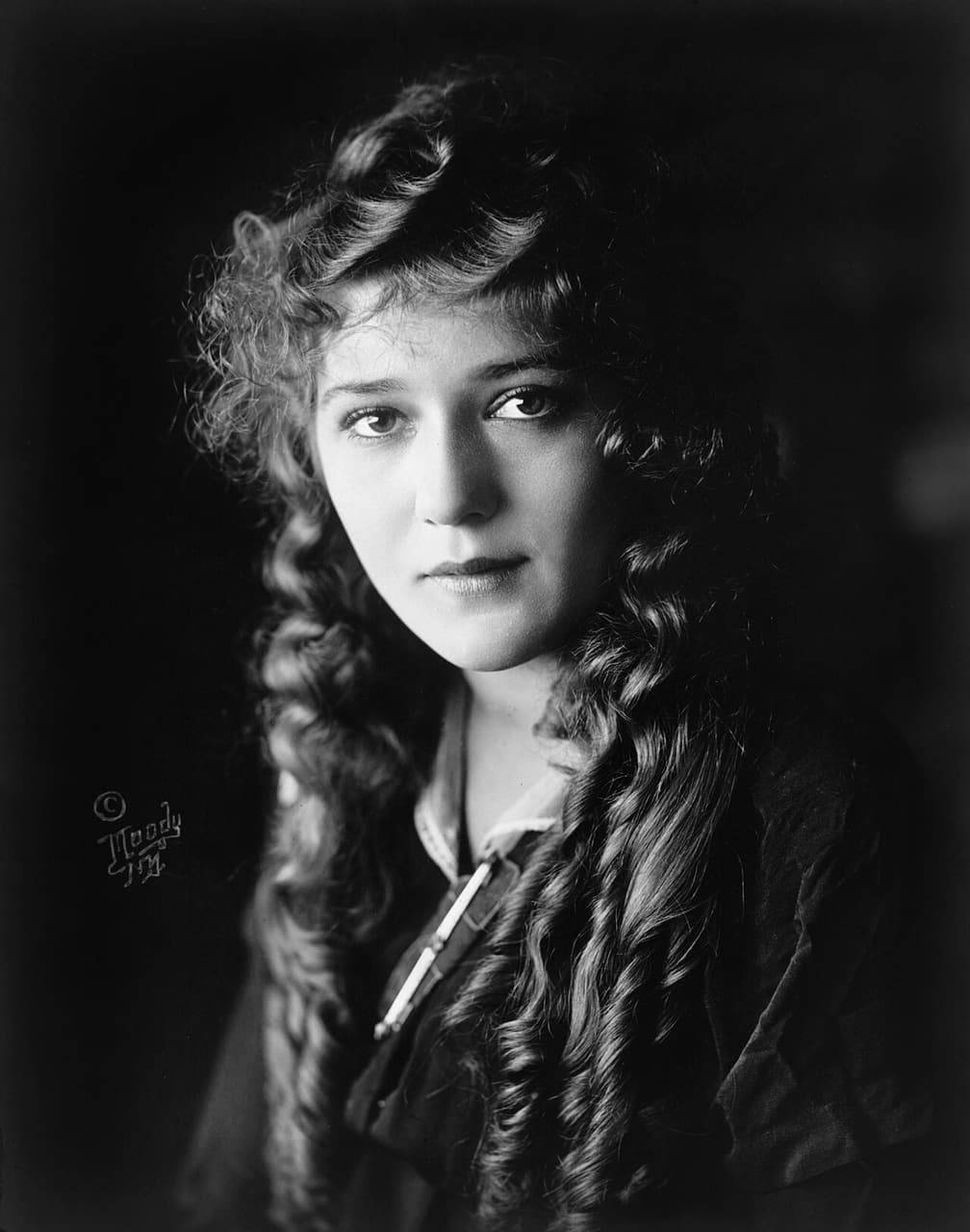
Mary Pickford's screen image can make her seem like a figure contained within early film history: curls, youthful roles and the distant glamour of silent cinema. Her career also belongs to the history of producing and distributing films. As a performer with substantial business interests and a co-founder of United Artists, she participated in decisions about how work reached audiences. The familiar image is only one part of the story.
A stage name became a business identity
The Mary Pickford Foundation's chronology records her birth as Gladys Louise Smith in Toronto in 1892. The name Mary Pickford became associated with a screen career and a public identity recognizable to audiences. That recognition mattered beyond the performance itself because a star's drawing power could influence the business relationships surrounding a film.
The point is not that popularity automatically gives every performer control. Contracts and organizational arrangements determine what recognition can be turned into. To understand Pickford's position, follow the documented decisions rather than assuming fame and ownership mean the same thing. Her story is useful because those business steps can be traced.
Production and distribution are different jobs
Producing a film concerns the organization and making of the work. Distribution concerns bringing it into the channels through which audiences can see it. The distinction is central to United Artists, created by people who wanted greater control over the handling of their productions. A famous performer could care about both the creative work and the route by which it reached the public.
That structure may be less visually memorable than an on-screen role, but it affects what work can be made and under what conditions. A film's existence in a theater or catalog depends on relationships beyond the scene being photographed. Business history therefore belongs beside performance history rather than in an unrelated appendix.
United Artists formed in 1919
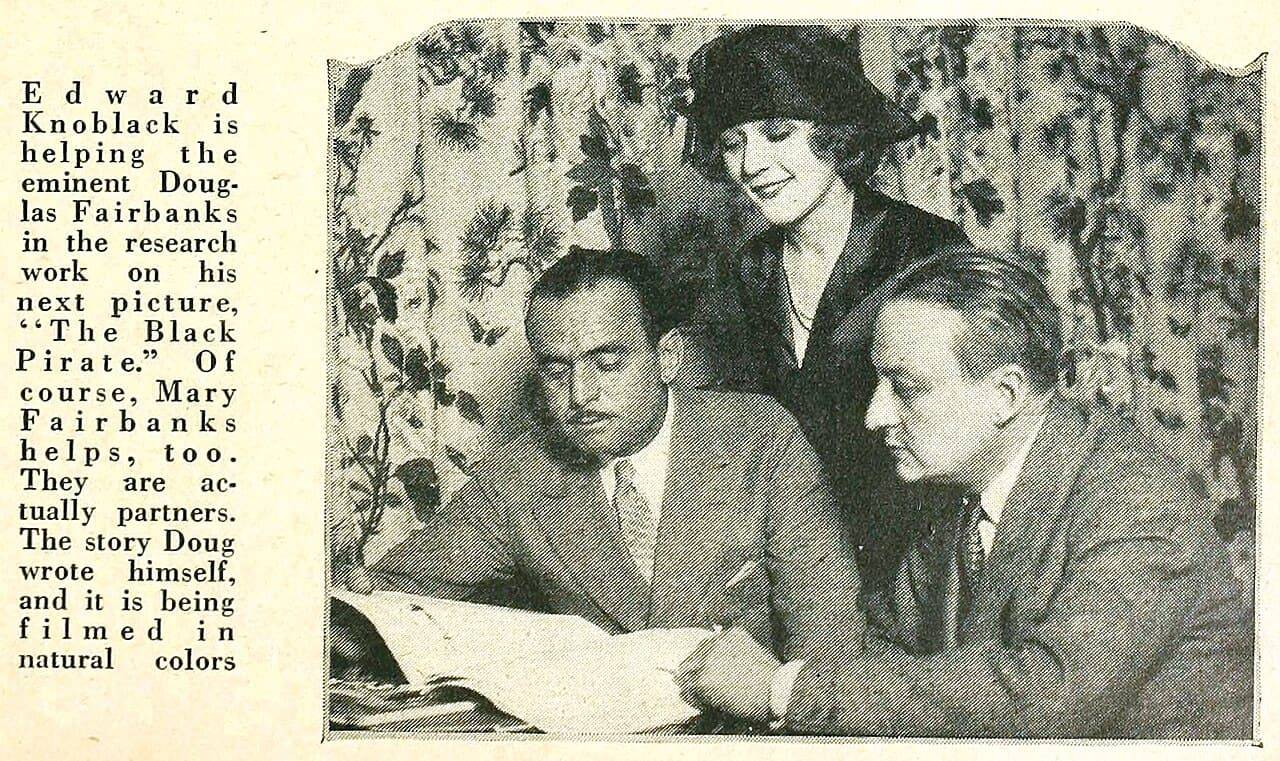
The foundation dates the formal creation of United Artists to February 5, 1919, identifying Pickford, Douglas Fairbanks, Charlie Chaplin and D. W. Griffith as the founding group. Its account connects the decision to concerns about established production and distribution arrangements. The group wanted a different position within a consolidating industry.
Avoid treating the venture as proof that every founder shared one career, artistic outlook or later history. A common business decision can unite people whose work differs substantially. The specific arrangement is more informative than a broad claim that a group of independent spirits simply rejected all organization. They created an organization of their own.
Pickford's producing work had its own structure
The foundation's chronology records the formation of the Mary Pickford Company in 1919 for productions distributed by United Artists. It identifies Pollyanna, adapted by Frances Marion, as her first production for the new distribution arrangement in 1920. These details turn a general statement about influence into an identifiable working sequence.
They also make a collaborator visible. Marion's adaptation belongs to the history of the film, while Pickford's production and performance roles belong to other parts of it. A star-led project can still depend on substantial contributions from writers, directors and other specialists. Accurate credit gives the business story an artistic context.
The screen persona was not a complete biography
A performer associated with young characters can be underestimated when the role is confused with the person making it. A screen persona is a constructed public experience. It does not establish the performer's age, judgment or business responsibilities outside the frame. Keeping those layers separate is particularly useful with familiar historical stars.
Look at the dates, production credits and organizations alongside the images. The same person can play vulnerability while negotiating from a position of professional experience. There is no contradiction to solve. Performance and business activity are different parts of a working life, even when a public image makes one easier to remember.
Sound-era recognition complicates a silent-only label
The Academy records Pickford's Best Actress award for Coquette at its second ceremony, held in April 1930. The ceremony honored a release period covering parts of 1928 and 1929. That precise dating is helpful because early Academy Award references can be confusing when ceremony year and film period are treated as interchangeable.
An award is one historical fact, not a complete verdict on a career. It nevertheless adds a concrete point beyond a generic label such as silent-film star. A long career should be followed through its changes and projects rather than frozen at the image that later became most recognizable.
Read the legacy through both objects and institutions
Watch a suitable film, examine its credits and compare the date with the business chronology. The work and the institution illuminate each other. A performance shows what audiences encountered, while the organizational history helps explain the conditions around that encounter. Neither view needs to erase the other.
Her United Artists connection also intersects with Chaplin’s career, providing a useful example of how familiar stars can share an institutional story without making identical art. The network becomes more interesting when specific roles and relationships remain clear.
Mary Pickford helped shape the film business as well as its screen imagery. Producing, distribution and collaboration give substance to that claim. Look beyond the curls, and the career becomes a history of work, control and organization—one that belongs within the story of how cinema was made available to its audiences.