Hubble and Webb: Why Two Space Telescopes See Different Worlds
Hubble and Webb complement each other through different wavelength ranges and designs. Compare their mirrors, observing locations and the information behind their images.
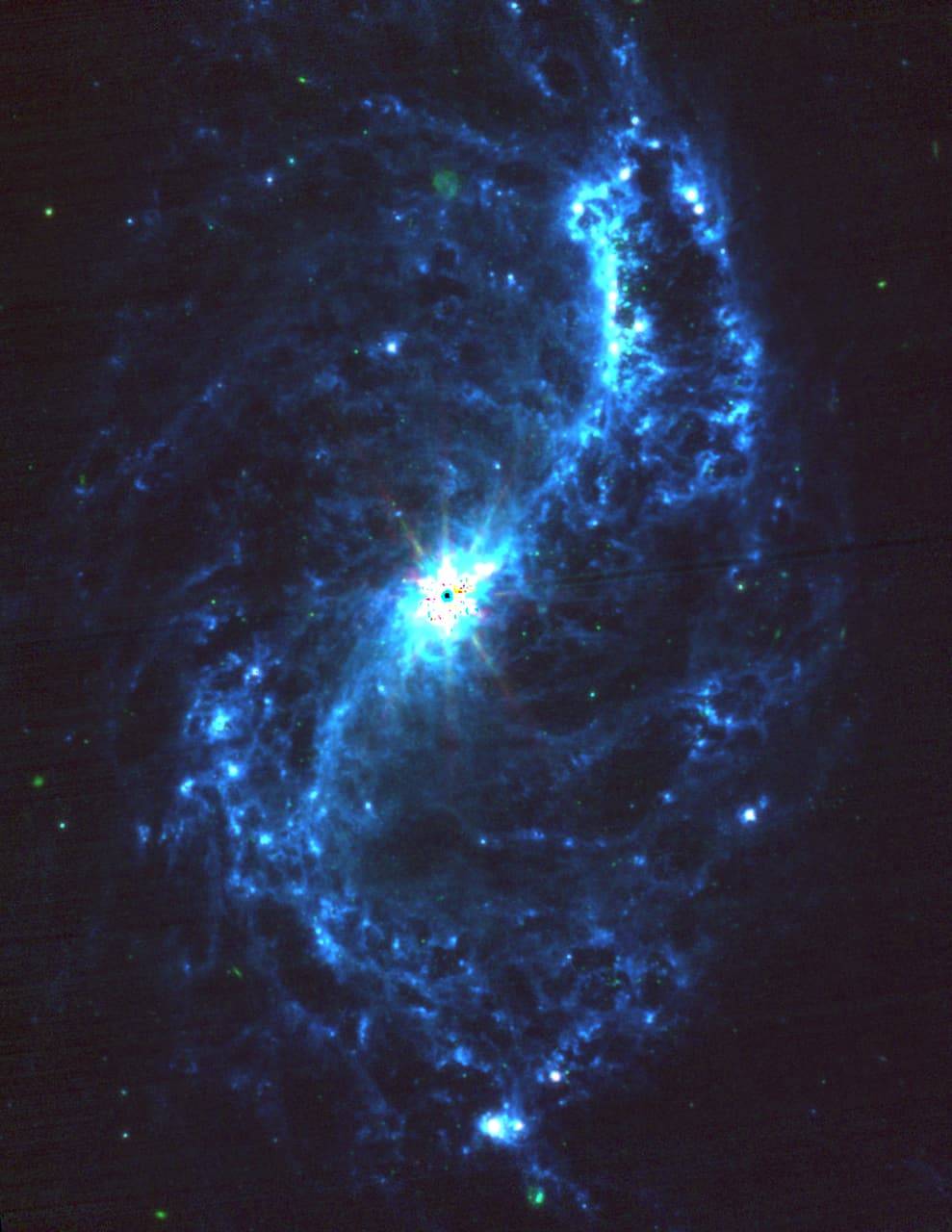
A new Webb image can make it tempting to describe Hubble as the telescope it replaced. The more useful relationship is complementary. The observatories are designed to gather different ranges of light, using different physical arrangements and observing locations. A comparison is therefore not simply a contest over which picture looks sharper. Ask what each instrument measures and what question those measurements help answer.
Wavelength is the first important difference
Hubble is optimized for ultraviolet and visible light and also observes some near-infrared wavelengths. Webb extends much farther into the infrared. NASA's comparison explains how the two ranges overlap while providing distinct capabilities. Infrared light is not merely a dimmer version of the visible scene; observing a different wavelength range can reveal different information.
This is why two images of a similar region can emphasize different structures. The object has not necessarily changed between the exposures. The instruments may be sampling different parts of its emitted or reflected light. Before interpreting the pictures as a before-and-after sequence, check the wavelengths and the dates.
Mirror size matters in context
Webb's primary mirror spans about 6.5 meters, compared with Hubble's 2.4 meters. A larger collecting area supports the gathering of faint signals, but resolution also depends on wavelength. NASA explains why Webb needs a larger mirror to achieve comparable detail at longer wavelengths. Bigger is a physical advantage whose effect still needs context.
The comparison is a useful reminder that an instrument has several linked properties. Mirror size, detectors, wavelength and observing conditions all contribute to the result. A single number cannot summarize every scientific capability. The question is how the whole design fits the light and objects researchers want to study.
Their locations support different requirements
Hubble operates in orbit around Earth. Webb follows a halo orbit near the second Sun–Earth Lagrange point, L2, roughly 1.5 million kilometers from Earth. NASA describes how that location helps Webb maintain a favorable arrangement for its sunshield and observations. It is not simply farther away because distance itself makes a telescope more powerful.
The location belongs to a thermal and operational design. A spacecraft's environment affects what it can measure and how it can function. When looking at an orbit diagram, remember that the drawing may not be to scale. Read the explanation rather than estimating distances from the spacing of icons on a page.
Cold equipment is important for Webb
Warm objects emit infrared radiation, including the telescope itself. Webb's design must manage that background so faint astronomical signals can be measured. Its large sunshield and cold observing arrangement are therefore central components, not decorative features added around the mirror.
This is a good example of engineering shaped by a measurement problem. The instrument is not merely a camera with a larger lens. It is a system designed to keep unwanted signals under control while collecting the desired ones. What must be blocked or reduced can be as important as what the telescope is intended to see.
Infrared can answer different questions
NASA describes Webb's ability to study objects and regions whose light is especially informative in the infrared, including dusty areas of star formation and very distant sources whose light has been redshifted. Hubble's shorter-wavelength observations remain valuable for different aspects of astronomical objects. The combined view can therefore be richer than either alone.
Avoid translating that into a universal claim that infrared sees through everything. Dust, wavelength and the physical source all matter. A telescope's capability should be attached to the particular observation. The explanation accompanying an image usually provides a better guide than a dramatic caption promising to reveal every hidden part of the universe.
Color images are scientific representations
Astronomy images often combine measurements from selected filters and map them into a display people can see. When infrared observations are shown on an ordinary screen, the visible colors represent data through a chosen scheme. That does not make the image arbitrary; it means the processing and legend are part of how the information is communicated.
Ask what the colors indicate and whether several instruments contributed. A composite image can reveal relationships between different measurements. It should not automatically be described as the exact view an unaided human eye would have from a nearby window. The distinction helps preserve both scientific clarity and visual wonder.
Compare with a question rather than a ranking
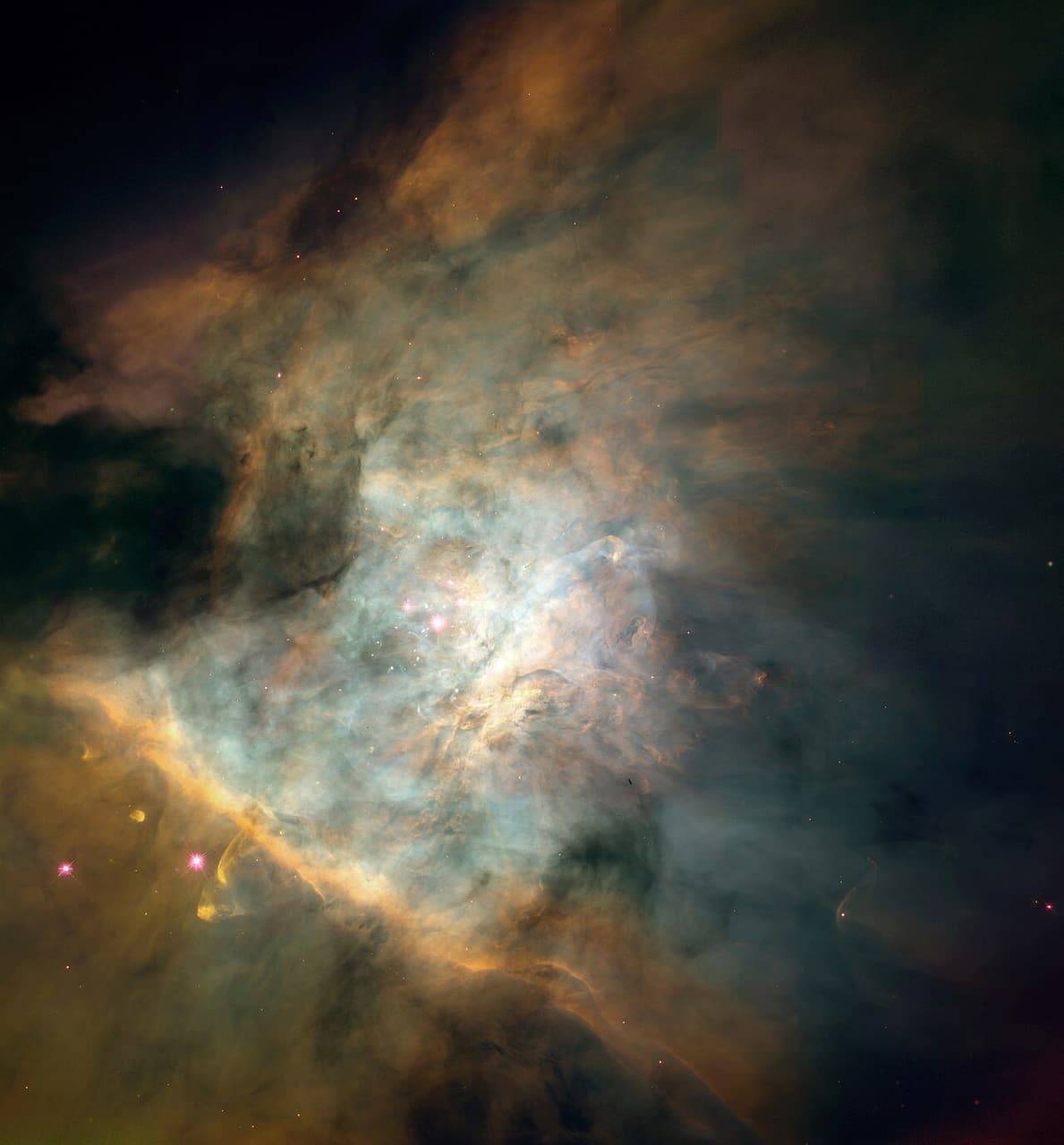
When viewing Hubble and Webb images together, begin with the common target and the features each view emphasizes. Are researchers discussing stars, dust, gas or a distant galaxy? Which wavelength range contributes the relevant evidence? The comparison becomes an explanation of measurement rather than a vote for the prettier picture.
Use the same habit with other remarkable sky images, including the northern lights. A photograph has conditions, settings and a physical source. Understanding those layers makes it more informative, while leaving the visual experience intact.
Hubble and Webb see differently because they were built around different capabilities. Their mirrors, detectors, thermal systems and locations support those choices. The result is a pair of observatories whose shared targets can reveal complementary information—and whose images reward a little attention to what, exactly, is being measured.