Meteor, Meteoroid or Meteorite? Three Names for Different Stages
Separate a small object in space, its bright atmospheric passage and a surviving fragment on the ground, with a clear guide to meteor-shower observations.
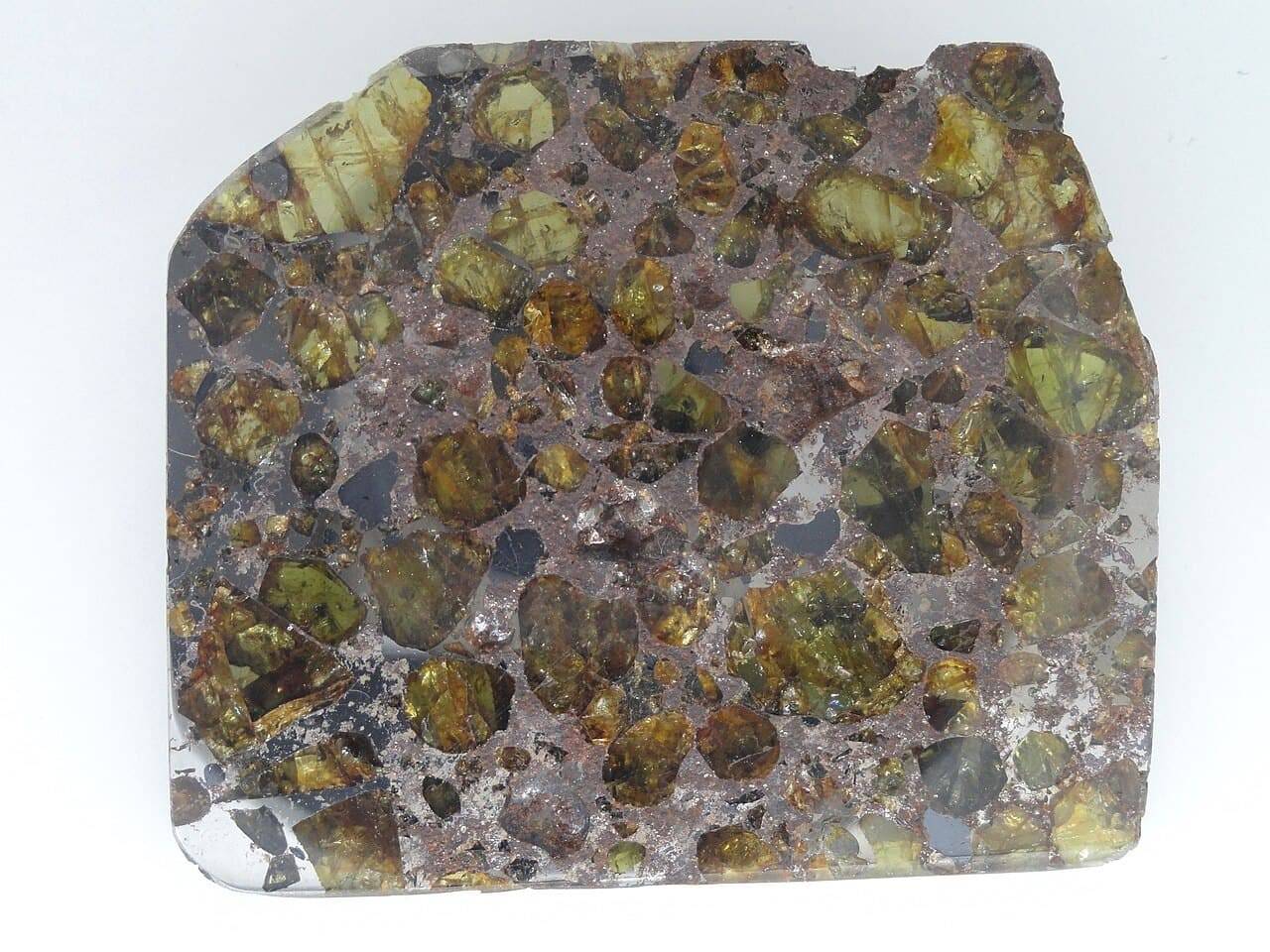
A meteoroid is a small natural object in space. A meteor is the bright phenomenon produced as such material enters an atmosphere at high speed. A meteorite is material that survives the passage and reaches the ground. The three words answer different questions, which is why a streak in a photograph and a rock in a display case should not be described as though they were the same observation.
Start with the location and the evidence
NASA distinguishes the object travelling through space from the luminous event in the atmosphere and the surviving material. “Shooting star” is a familiar description of the appearance, but the streak is not a star falling out of its place. An actual star is a very different kind of object.
| Term | What the term describes | What you might observe |
|---|---|---|
| Meteoroid | Material in space | Usually not something an unaided observer can track directly |
| Meteor | The luminous atmospheric event | A brief streak or a brighter fireball |
| Meteorite | Material that reaches the ground | A specimen requiring appropriate identification |
These categories are more useful than guessing the original object’s size from how dramatic a video looks. Exposure, distance and the circumstances of the event affect its appearance. A bright recording does not, by itself, tell you that a large recoverable rock landed nearby.
Why meteor showers seem to come from one area
NASA explains that meteor showers occur when Earth passes through streams of debris, often associated with comets. Their names commonly refer to the constellation near the apparent radiant: the area from which the trails seem to spread when traced backwards. That apparent arrangement does not mean the particles were launched from the stars in the constellation.
Think of the radiant as a direction in the sky rather than a physical source among the distant stars. In a record of a sighting, distinguish the direction you were looking from the apparent path of the streak. These are different pieces of information and become easy to confuse when reconstructing an exciting moment later.
Plan an observation around ordinary conditions
A shower’s calendar date is only one part of the observing opportunity. Cloud, local light, moonlight, the time of night and the viewing place all affect what you can see. Read current guidance from a reliable astronomical source for a particular shower rather than treating an annual peak date as a promise of a fixed count.
Choose a safe, permitted place where you can look at a broad area of sky comfortably. Dress for the conditions and avoid roadside stopping or looking upward while walking over unfamiliar ground. You can enjoy a short observation without a camera or a count that matches a headline’s idealised figure.
Record what you saw before deciding what it was
Write the approximate time, location, direction, duration and appearance. For example, a note can say that a brief bright streak crossed part of the sky, without claiming to know its altitude or composition. Mark an estimate as an estimate. Preserve an original photograph or video if you have one, rather than relying only on an edited crop.
An object moving steadily for an extended period could have another explanation. Satellites, aircraft and other phenomena deserve consideration when the observation does not fit the brief event being described. Likewise, our northern-lights guide concerns a different atmospheric light process. Similar excitement does not make the physical explanations interchangeable.
A found rock needs its own identification
Seeing a meteor does not establish that a nearby unusual stone is its surviving fragment. A meteorite claim needs evidence beyond colour, weight or an internet photograph. Seek advice from an appropriate museum or scientific institution, and follow local access and collection rules. Avoid damaging a possible specimen through improvised tests.
Keep the three questions separate: what material was in space, what light was observed and what material was recovered? That distinction makes a museum specimen, a shower forecast and a personal sighting easier to interpret. It also leaves room for an honest “not yet identified” when the evidence does not support a more specific name.